
Mental Health & The Menstrual Cycle: Connecting FAM + Mental Wellness
Often overlooked but vital, the menstrual cycle speaks volumes about your health. In recent years,

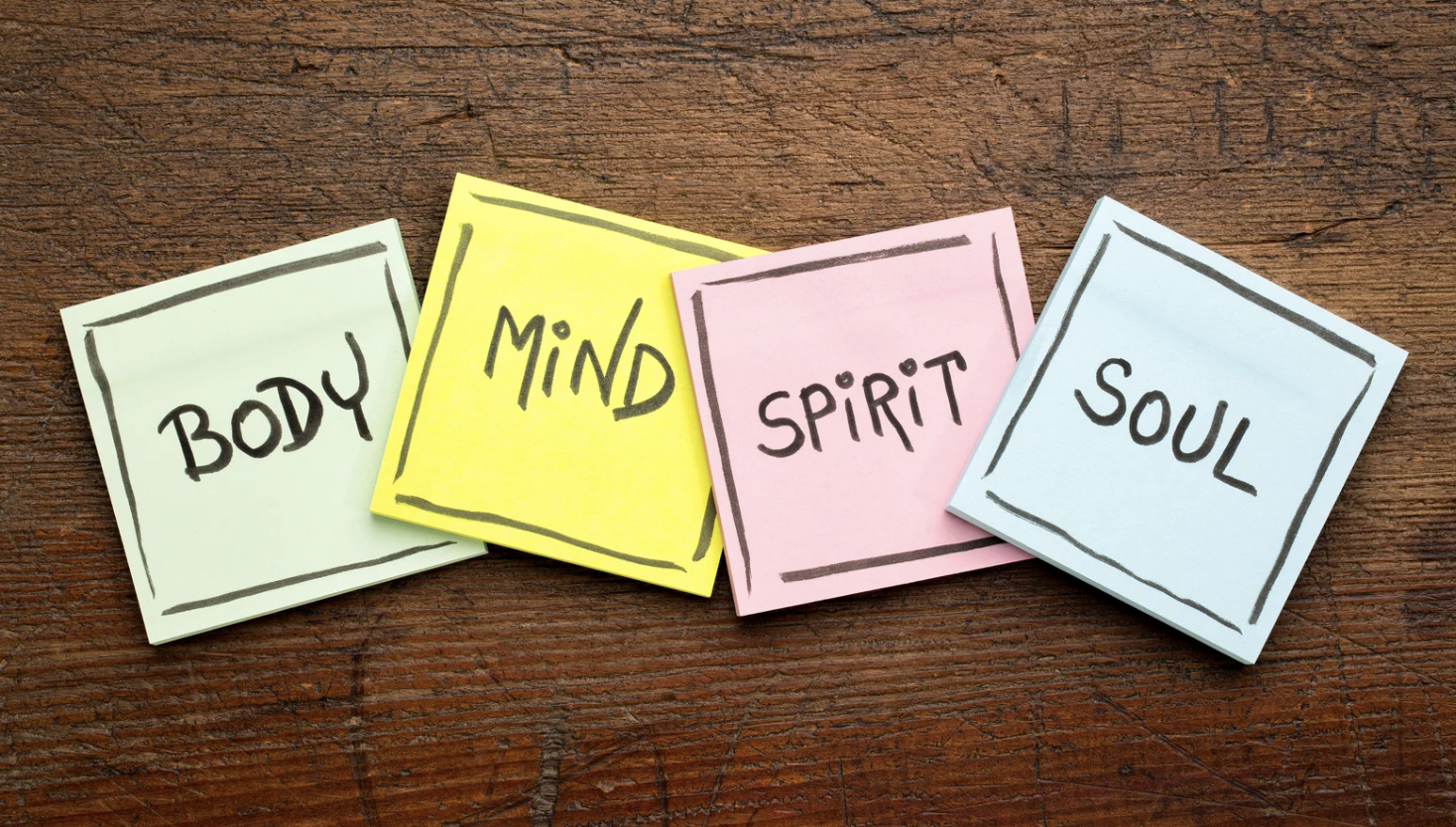
Your fertility journey is about more than just your reproductive organs, it encompasses your emotional well-being, nutritional health, physical body, and mental state. Integrative fertility counseling recognizes this interconnectedness and offers a comprehensive approach to supporting you through every aspect of your path to parenthood.
Integrative fertility counseling combines evidence-based techniques from various disciplines, including functional nutrition, body literacy education, mind-body practices, and supportive counseling, to address the whole person. This holistic approach empowers you to understand your body, optimize your health, and make informed choices about your fertility journey.
In this guide, we’ll explore the top techniques used in integrative fertility counseling and how each one can support your reproductive health and overall well-being. Whether you’re just beginning to think about conception, actively trying, undergoing fertility treatments, or processing challenges along the way, these approaches offer tools to help you feel more grounded, informed, and empowered.
What you eat profoundly affects your hormone health and fertility. Functional nutrition takes a personalized approach to understanding how your unique body processes and uses nutrients, identifying imbalances that may affect your fertility, and creating a tailored plan to optimize your health.
Unlike generic dietary advice, functional nutrition recognizes that everyone’s body is different. It focuses on identifying and addressing the root causes of health issues rather than just treating symptoms. For fertility, this means looking at how your diet, lifestyle, and nutritional status affect your hormones, inflammation levels, blood sugar balance, and overall reproductive health.
A functional nutrition approach involves a comprehensive evaluation of your nutritional status, taking into account your diet, lifestyle, medical history, and specific fertility concerns. This may include specialized testing to identify nutrient deficiencies or imbalances that could be affecting your fertility.
Once any imbalances are identified, a customized plan is developed that may include:
Functional nutrition can help optimize your overall health and improve fertility outcomes by addressing nutrient deficiencies and reducing inflammation. Beyond fertility, this approach also reduces the risk of other health conditions like cardiovascular disease, diabetes, and autoimmune disorders, supporting your long-term well-being regardless of your family-building outcome.
For example, if you’ve been diagnosed with PCOS, a functional nutrition approach might include following a low-glycemic diet, supplementing with specific vitamins and minerals that help regulate insulin and hormones, and incorporating anti-inflammatory foods to reduce systemic inflammation.
Working with a trained integrative fertility counselor who specializes in functional nutrition can be transformative in your journey toward parenthood. By combining functional nutrition with fertility awareness education, you gain a deeper understanding of your body’s unique needs and can optimize your chances of conception.

Fertility awareness education is about learning to read your body’s signals and understand the science of your reproductive health. It’s an evidence-based approach that empowers you to make informed decisions about your fertility, whether you’re trying to conceive, monitoring your hormone health, or simply want to understand how your body works.
In integrative fertility counseling, fertility awareness education is essential for understanding your fertile window and optimizing your chances of conception. It also helps you identify potential hormonal imbalances or cycle irregularities that may be affecting your fertility. With this knowledge, you can make targeted lifestyle changes and work with a specialist to address specific issues.
Fertility awareness education offers numerous benefits:
Through these techniques, you gain a better understanding of your menstrual cycle, can identify potential issues affecting your fertility, and optimize your timing for conception.
If you’re struggling with infertility or simply want to understand your body better, working with an integrative fertility counselor who provides fertility awareness education can give you the tools and knowledge needed to optimize your fertility and achieve your family-building goals.
As a comprehensive approach to fertility support, fertility awareness education can be coupled with mind-body techniques like hypnotherapy, which can address underlying emotional factors that may impact fertility.

The connection between your mind and body is powerful, and managing stress is essential for optimal fertility. Mind-body techniques help reduce stress and anxiety, promote relaxation, and create a more supportive internal environment for conception.
These practices can help reduce stress and anxiety, improve overall well-being, and promote the relaxation response, all of which support optimal hormone function and fertility. By incorporating mind-body techniques into your routine, you address emotional challenges and promote a positive mindset, which can significantly impact fertility outcomes.
Research shows that stress reduction techniques can lower cortisol levels, improve immune function, and support healthy hormone balance, all essential for reproductive health.
Yoga deserves special attention as a powerful practice for promoting physical, emotional, and mental well-being on your fertility journey. This ancient practice has been used for thousands of years to support health and balance.
Yoga combines physical postures (asanas), breathing techniques (pranayama), and meditation or relaxation practices. Together, these elements work to reduce stress and tension, increase circulation and blood flow to reproductive organs, and support healthy hormone balance through effects on the endocrine system.
In integrative fertility counseling, specific yoga practices are often recommended:
Regular yoga practice can help balance hormones, regulate menstrual cycles, improve mood, increase energy levels, and promote overall physical and emotional well-being. Whether practiced alone or combined with other integrative techniques, yoga is a safe and effective way to support your fertility and overall health.
By incorporating yoga into your fertility journey, you also improve pelvic floor strength and flexibility, which naturally complements other physical support techniques like pelvic floor therapy.

Your pelvic floor, the group of muscles supporting your bladder, uterus, and rectum, plays an important role in reproductive health, sexual function, and overall well-being. Pelvic floor support techniques can be valuable additions to integrative fertility counseling.
These muscles are essential for maintaining proper bladder and bowel function, as well as sexual health. However, they can become weakened, overly tight, or dysfunctional due to various factors, including previous pregnancies, childbirth, surgery, trauma, chronic stress, or conditions like endometriosis.
In integrative fertility counseling, pelvic floor support can:
By improving pelvic floor function, you may experience reduced pain and discomfort, improved sexual function, and better overall reproductive health, all of which support your fertility journey.
Therapeutic massage, including specialized techniques like Arvigo massage, can be a valuable addition to integrative fertility counseling. Massage therapy involves hands-on manipulation of soft tissues to promote relaxation, healing, and improved circulation.
The importance of massage therapy in integrative fertility counseling lies in its ability to:
By improving blood flow to reproductive organs and reducing stress, massage therapy creates a more supportive environment for fertility. Incorporating massage into your integrative fertility counseling plan offers a holistic approach to supporting reproductive health and optimizing fertility.
Acupuncture is a traditional Chinese medicine technique that has gained widespread acceptance as a complementary approach to fertility support. It involves the insertion of fine, sterile needles into specific points on the body to stimulate energy flow and promote healing.
While research on acupuncture for fertility shows mixed results, many people find it beneficial as part of their comprehensive fertility approach, especially when traditional Chinese herbalism for fertility support is included in treatment plans.
Proponents suggest that acupuncture may help by improving blood flow to reproductive organs, regulating hormones, and reducing stress and anxiety levels. Some research suggests acupuncture, compared to control treatments, may improve certain pregnancy rates in infertile patients, though results vary across studies.
In integrative fertility counseling, acupuncture may be used to:
People who incorporate acupuncture into their fertility journey often report:
According to the National Center for Complementary and Integrative Health, acupuncture is generally safe when practitioners use sterile, proper equipment. If you’re interested in exploring acupuncture, look for a licensed acupuncturist with experience in reproductive health and discuss it with your healthcare provider.
The emotional and psychological aspects of your fertility journey are just as important as the physical ones. Therapy and counseling are essential components of integrative fertility counseling, providing a safe space to process your feelings, develop coping strategies, and navigate the challenges of infertility.

Fertility counselors may use various evidence-based approaches:
Integrative fertility counseling may involve support for:
The goal is to provide support and guidance throughout your entire fertility journey, from diagnosis and treatment to building your family in whatever way that unfolds.
Counseling and emotional support can help you:
Remember, seeking emotional support isn’t a sign of weakness. In fact, it’s a sign of strength and self-care. Your mental and emotional health matter just as much as your physical health.
Integrative fertility counseling can incorporate a variety of other techniques beyond those already discussed, depending on your unique needs and preferences.
Essential oils can be used to promote relaxation and reduce stress, anxiety, and depression. Certain oils, such as lavender and chamomile, may be particularly effective in reducing stress levels. Aromatherapy can be incorporated through diffusers, topical application (properly diluted), or bath soaks.
Beyond the comprehensive functional nutrition approach, specific dietary changes might be recommended:
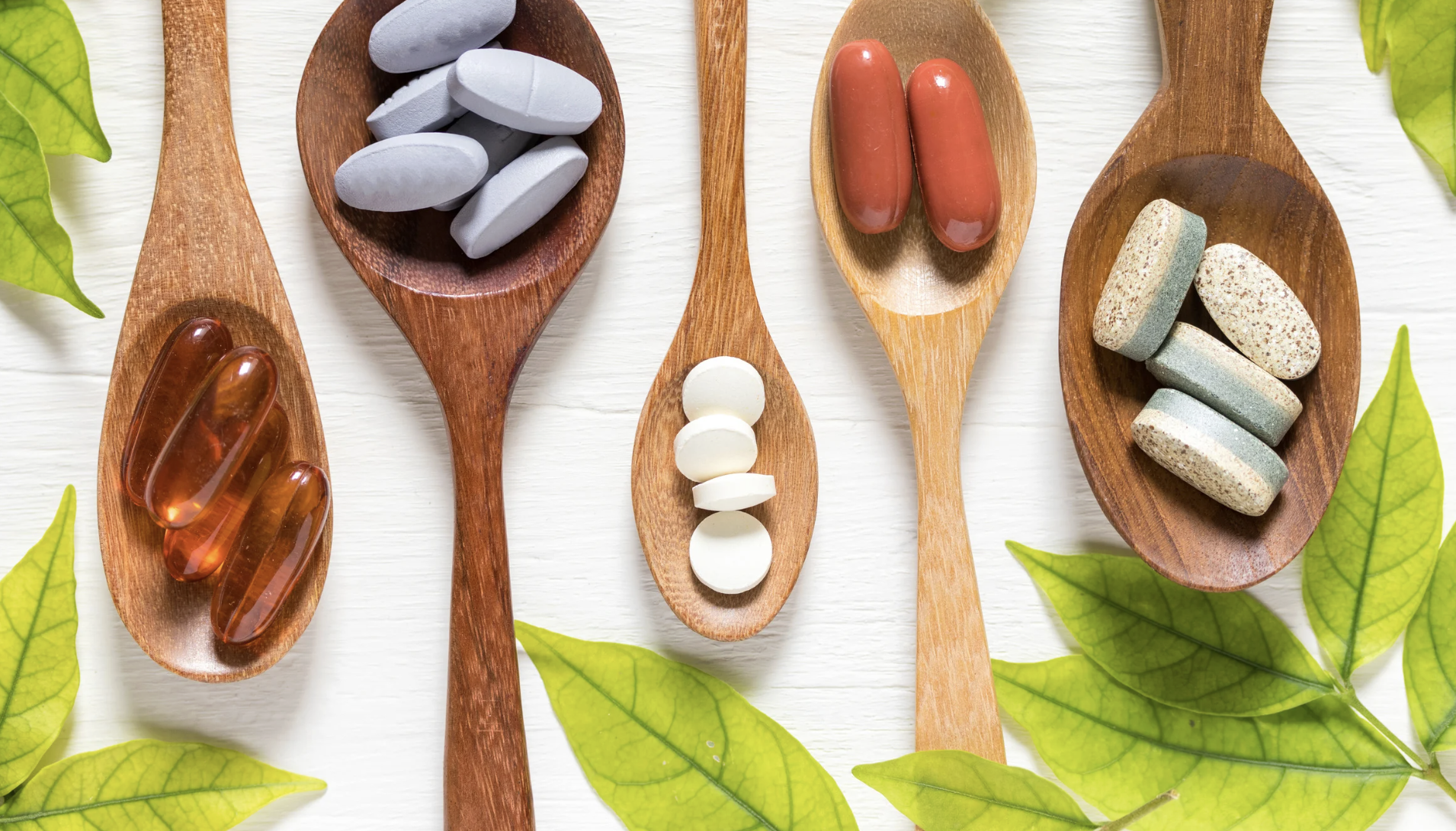
Depending on your individual needs, supplements such as prenatal vitamins, omega-3 fatty acids, CoQ10, vitamin D, and others may be suggested to support fertility and overall reproductive health. These supplements can help optimize egg quality, support hormone production, and prepare your body for pregnancy.
Additional recommendations might include:
The beauty of integrative fertility counseling is that it can be tailored to your unique situation, incorporating the techniques and approaches that resonate most with you and address your specific needs.
Let’s recap the top techniques used in integrative fertility counseling:
Integrative fertility counseling offers a comprehensive, holistic approach to supporting your reproductive health and fertility journey. Rather than focusing solely on medical interventions, this approach recognizes that fertility involves your whole self: your physical body, nutritional status, emotional well-being, stress levels, and lifestyle.
Throughout this guide, we’ve explored various techniques, including functional nutrition, fertility awareness education, mind-body practices, yoga, pelvic floor support, massage therapy, acupuncture, and counseling. Each offers unique benefits, and together they create a powerful toolkit for optimizing your fertility and overall health.
The beauty of integrative fertility counseling is that it’s personalized. Not every technique will resonate with every person and that’s okay. The goal is to explore what works for you, incorporate practices that feel supportive and sustainable, and create a comprehensive approach that addresses your specific needs.
If you’re experiencing fertility challenges, working with a trained integrative fertility counselor can provide the support, education, and guidance you need to feel empowered on your journey. You deserve care that honors your whole self, not just your reproductive organs.
Remember: your fertility journey is unique, and there’s no one-size-fits-all solution. By taking a holistic, integrative approach and incorporating techniques that resonate with you, you can improve your overall well-being and feel more empowered throughout your journey, whatever your outcome.
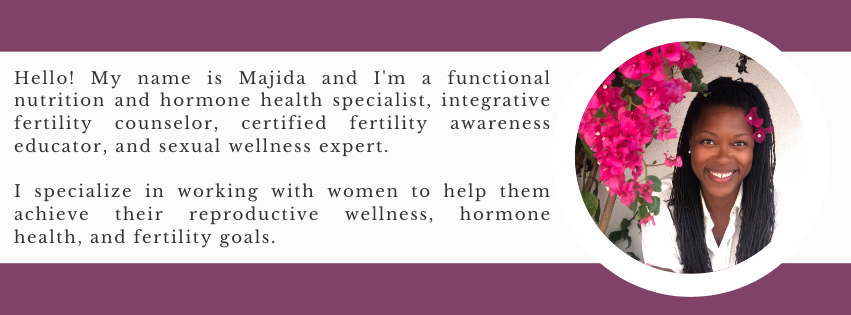
If you’re looking for a holistic, personalized approach to your fertility journey, I’m here to help. I’m Majida, and at Connection Care Therapy, I offer integrative fertility counseling that combines my formal training with specialized expertise to support your whole self.
With a Master’s in Mental Health Counseling with a focus in Fertility Counseling, Reproductive Trauma, and Integrative Approaches to Reproductive Health, plus certifications as a fertility awareness educator and functional nutrition & hormone health specialist, I bring comprehensive, evidence-based support to your fertility journey.
My integrative approach includes:
Whether you’re trying to conceive naturally, undergoing assisted reproductive technology, optimizing your hormone health, or processing challenges and loss, I can create a tailored program to meet your needs.
You don’t have to navigate this journey alone. Let’s work together to support your fertility, your health, and your wellbeing.
Ready to take the next step?
Contact Connection Care Therapy today to schedule a consultation and begin your path toward greater understanding, agency, and hope.
Disclaimer:
The information provided on this blog is for educational and informational purposes only and is not intended as a substitute for professional medical advice, diagnosis, or treatment. Always seek the advice of your physician or other qualified health provider with any questions you may have regarding a medical condition. The content on this blog is not meant to replace professional medical advice or to be used to prevent, diagnose, or treat any disease or illness. Reliance on any information provided by this blog is solely at your own risk.
Often overlooked but vital, the menstrual cycle speaks volumes about your health. In recent years,

In today’s world, more women are seeking natural and safe methods to enhance their understanding

Exploring the connection between fertility awareness and birth control can seem overwhelming given the myriad
You’ve probably heard of environmental toxins. Whether it’s concerns raised over what is sprayed on

Do you notice shifts in energy levels, moods, and cravings throughout your menstrual cycle? Many

If you’re looking to enhance your reproductive health or gain a better understanding of fertility