
Close


When it comes to understanding your menstrual cycle, hormone health, and fertility, tracking your basal body temperature (BBT) can be a valuable and empowering tool.
BBT refers to your body’s temperature at rest and its patterns reflect how key hormones, particularly estrogen and progesterone, are functioning throughout your cycle.
While BBT is often discussed primarily in the context of ovulation and conception, it can also offer meaningful insight into overall hormonal health, cycle regularity, and how your body responds to stress, sleep, illness, and lifestyle factors.
In this deep dive into fertility awareness, we’ll explore how tracking BBT supports both hormone health and fertility and how to use it as part of a more holistic understanding of your cycle.
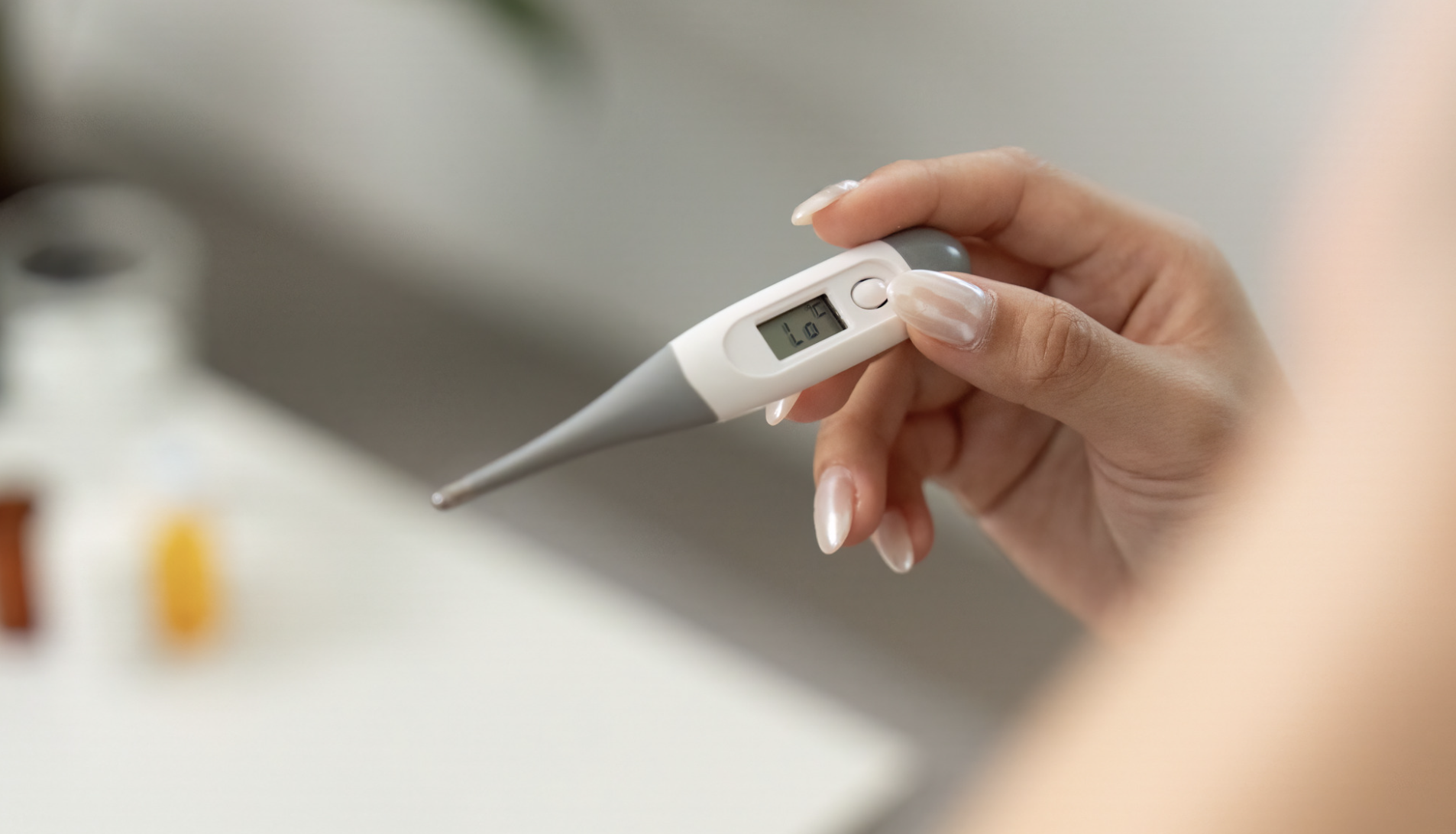
Basal body temperature (BBT) is the temperature of your body at rest and it’s an important tool for tracking fertility. Your BBT changes throughout your menstrual cycle due to hormonal fluctuations, and tracking these changes can help you identify when you’re most fertile.
Because basal body temperature is influenced by hormonal shifts, consistent tracking can reveal patterns that extend beyond ovulation timing. Over time, BBT charts may reflect how well ovulation is occurring, whether progesterone levels appear sufficient to support the luteal phase, and how external stressors are impacting the nervous and endocrine systems.
For many people, this makes BBT a useful observational tool not just for fertility awareness but also for broader hormone health awareness.
To measure your BBT accurately, you’ll need to take your temperature first thing in the morning, before getting out of bed or engaging in any activity. Use a reliable basal body thermometer, as even small differences in thermometer sensitivity can affect the accuracy of your readings.
It’s important to measure your BBT at the same time every day, as even slight variations in timing can affect the accuracy of your readings. Make sure you record your temperature in a fertility awareness chart or app, so you can track your BBT changes over time.
Several factors can affect your BBT, including illness, lack of sleep, stress, alcohol consumption, and travel across time zones. It’s important to take these factors into account when interpreting your BBT readings, as they can impact the accuracy of your tracking.
By understanding what basal body temperature is, how to measure it accurately, and what factors can affect it, you’ll be better equipped to use this valuable tool in your fertility awareness journey.
Some factors that can affect basal body temperature (BBT)
For individuals navigating hormone health concerns, BBT patterns may look different and that information can still be valuable.
Conditions such as polycystic ovary syndrome (PCOS), thyroid imbalances, chronic stress or adrenal dysregulation, endometriosis, or fibroids can influence cycle length, ovulation timing, and post-ovulatory temperature shifts.
While BBT alone cannot diagnose these conditions, it can offer helpful context when used alongside other cycle observations, lab work, and clinical support.

Now that you have a good understanding of what basal body temperature is and how to measure it accurately, let’s dive into the relationship between basal body temperature and ovulation. By understanding how hormones impact your basal body temperature throughout your menstrual cycle, you can use this method to identify your fertile window and increase your chances of conception.
As we’ve mentioned earlier, basal body temperature is a reliable indicator of ovulation in the menstrual cycle.
This is because the hormonal changes that occur during the menstrual cycle have a direct impact on basal body temperature. Specifically, the hormone progesterone causes a rise in basal body temperature, which is sustained throughout the luteal phase of the menstrual cycle.
During the follicular stage, which comes before ovulation, basal body temperature typically ranges from around 97.0°F to 97.7°F. This is due to low levels of progesterone in the body during this phase, as the first part of your cycle is estrogen-forward.
After ovulation occurs, progesterone levels increase, leading to a rise in basal body temperature. This increase typically lasts throughout the luteal phase and results in a temperature range of around 97.7°F to 98.2°F.
From a hormone health perspective, the post-ovulatory temperature rise reflects progesterone activity, which plays a critical role in mood regulation, sleep quality, stress resilience, and cycle stability.
Repeatedly short or inconsistent luteal phases, delayed temperature shifts, or highly erratic patterns may signal that the body is under stress or that hormonal support systems need attention. This is one reason why tracking over multiple cycles can be so informative, even when pregnancy is not the immediate goal.
It’s important to note that basal body temperature is a retrospective marker of ovulation.
This means that ovulation has already occurred by the time the basal body temperature has risen. This is why it’s important to track basal body temperature consistently over several menstrual cycles to identify patterns and accurately predict ovulation in the future.
To effectively use basal body temperature for fertility awareness, it’s recommended to take the temperature at the same time each morning before engaging in any physical activity or consuming any food or drink. This allows for consistent measurements that can be compared accurately over time.
Understanding how basal body temperature changes throughout the menstrual cycle can be a valuable tool in fertility awareness. However, it’s important to address common misconceptions and optimize observations for accurate tracking. Let’s explore some common questions and concerns about basal body temperature.
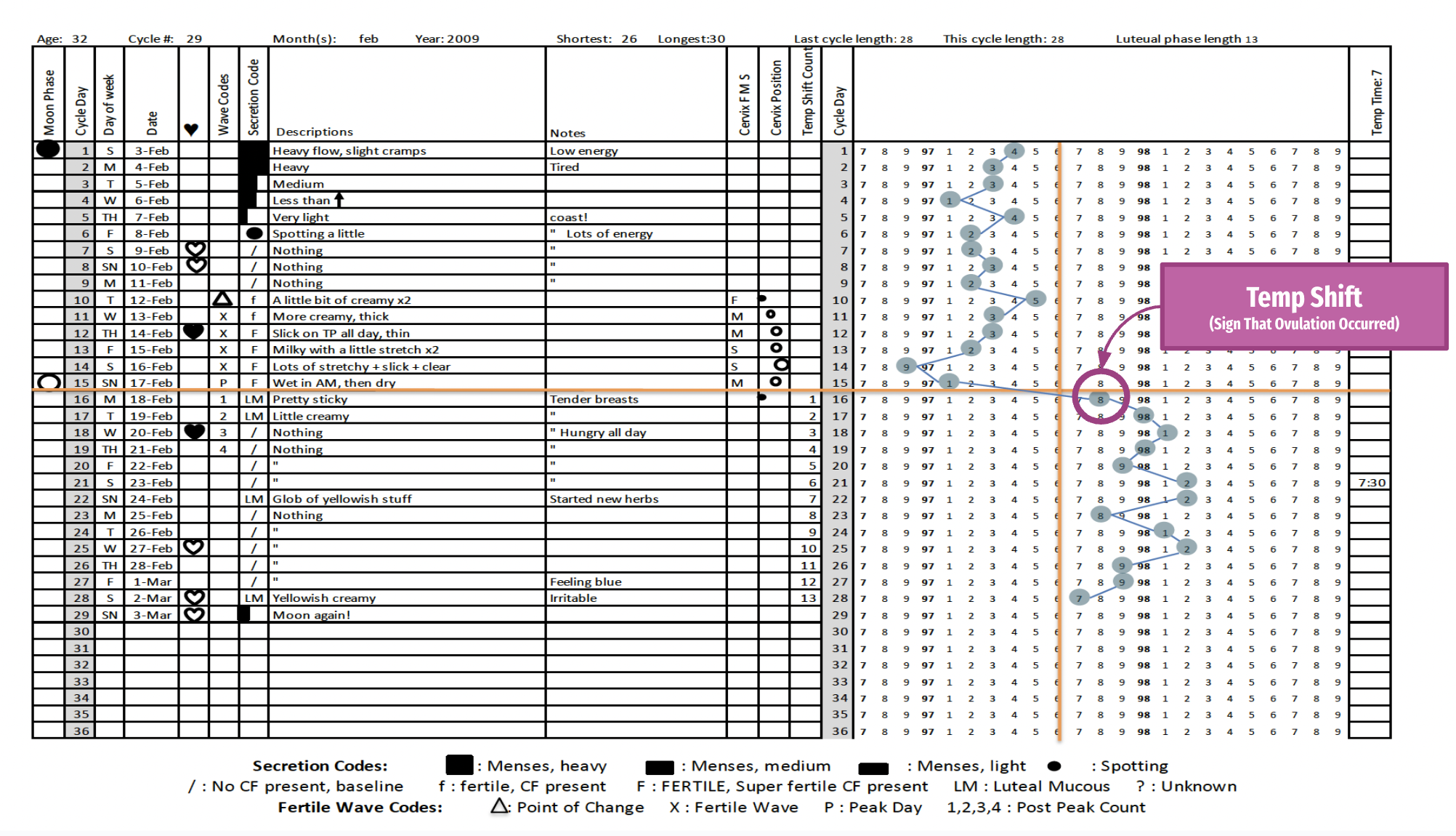
Consistency is important when tracking basal body temperature, but perfection is not required. Many people navigating hormone health concerns may experience disrupted sleep, fluctuating schedules, or heightened stress, all of which can affect BBT readings. Rather than aiming for flawless charts, the goal is to observe overall trends across time.
If you miss a temperature, wake up late, or experience a disrupted night of sleep, that doesn’t mean your chart is “ruined.” These real-life variables are part of the data and can offer meaningful insight into how your body responds to daily stressors and recovery.
As with any fertility awareness method, tracking basal body temperature can be accompanied by a number of questions and concerns. Here are some common misconceptions about basal body temperature tracking, as well as tips for optimizing your observations:
Whether you’re looking for personalized guidance or a structured educational experience, there are multiple ways to deepen your understanding of basal body temperature, hormone health, and your menstrual cycle.
Through Connection Care Therapy, I offer individualized hormone health and fertility support, as well as an upcoming course, The Cycle Connection.
This fertility awareness–based program is designed to help you build a clear, embodied understanding of your cycle, hormone rhythms, and fertility, at your own pace and with grounded, evidence-informed education.
Curious what your BBT patterns may be reflecting about your hormone health or fertility or want to stay updated about the The Cycle Connection course?
You can start by grabbing your free resources + newsletter.

As you continue to deepen your understanding of fertility awareness and the role of basal body temperature in tracking your menstrual cycle, it’s important to address common misconceptions and optimize your observations for accurate results.
Let’s review some tips and advice for addressing common concerns and getting the most out of your fertility awareness practice.
Tracking basal body temperature is a powerful tool for understanding both fertility and hormone health. Beyond identifying ovulation, BBT offers insight into how your body responds to hormonal shifts, stress, and daily life.
When used consistently, and interpreted with support, it can deepen body literacy, support informed reproductive choices, and strengthen your relationship with your cycle.
Whether your goal is conception, hormone balance, or simply better understanding your body, BBT tracking invites you into a more connected, informed, and empowered approach to reproductive health.
If you’re looking for a holistic, personalized approach to your fertility journey, I’m here to help. I’m Majida, and at Connection Care Therapy, I offer integrative fertility counseling that combines my formal training with specialized expertise to support your whole self.
With a Master’s in Mental Health Counseling with a focus in Fertility Counseling, Reproductive Trauma, and Integrative Approaches to Reproductive Health, plus certifications as a fertility awareness educator and functional nutrition & hormone health specialist, I bring comprehensive, evidence-based support to your fertility journey.
My integrative approach includes:
Whether you’re trying to conceive naturally, undergoing assisted reproductive technology, optimizing your hormone health, or processing challenges and loss, I can create a tailored program to meet your needs.
You don’t have to navigate this journey alone. Let’s work together to support your fertility, your health, and your wellbeing.
Ready to take the next step?
Contact Connection Care Therapy today to schedule a consultation and begin your path toward greater understanding, agency, and hope.

Disclaimer:
The information provided on this blog is for educational and informational purposes only and is not intended as a substitute for professional medical advice, diagnosis, or treatment. Always seek the advice of your physician or other qualified health provider with any questions you may have regarding a medical condition. The content on this blog is not meant to replace professional medical advice or to be used to prevent, diagnose, or treat any disease or illness. Reliance on any information provided by this blog is solely at your own risk.