

Close


Within fertility awareness, we often focus on cervical fluid and basal body temperature and rightly so. They are primary biomarkers in evidence-based fertility awareness methods.
But there is another secondary sign that can offer meaningful insight when interpreted correctly: cervical position.
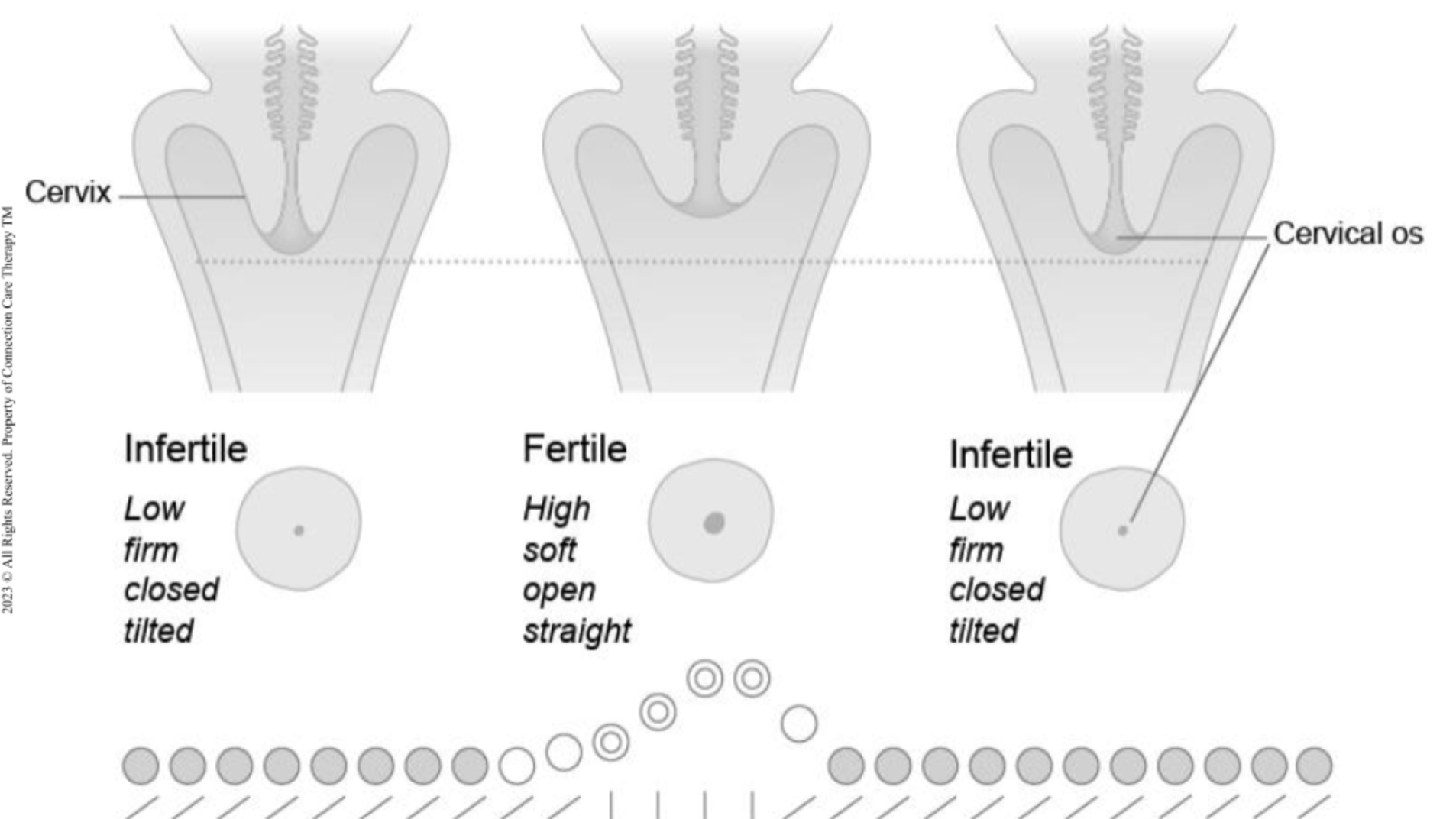
Cervical position refers to the height, firmness, and openness of the cervix within the vaginal canal. These characteristics shift in response to hormonal changes across the menstrual cycle.
When observed consistently and in context, cervical position changes can complement other fertility signs and deepen overall cycle literacy.
This article explores what cervical position is, how it changes throughout the cycle, how to observe it accurately, and how it fits, appropriately, within comprehensive fertility awareness practice.
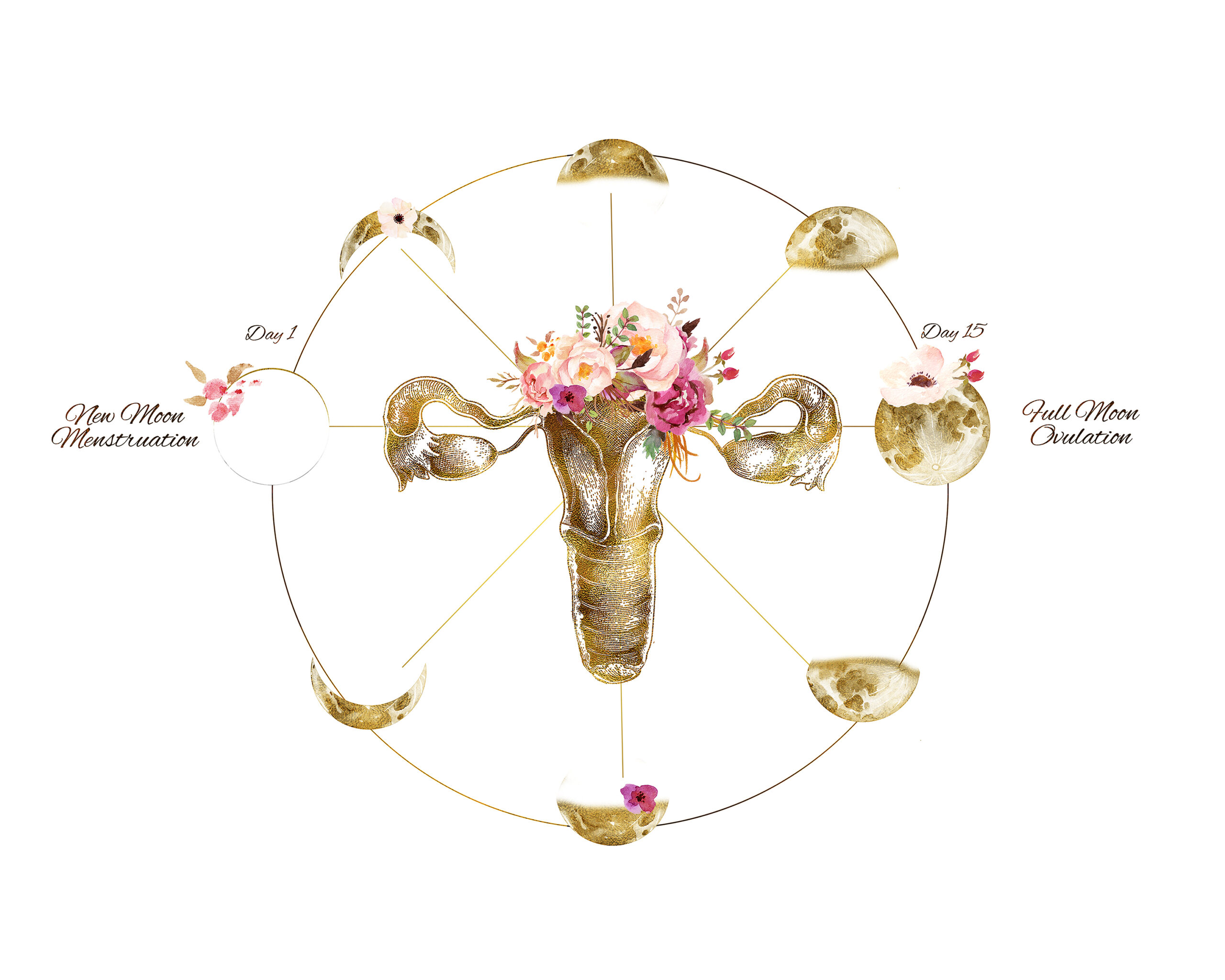
The cervix is the lower portion of the uterus that extends slightly into the vaginal canal. It functions as the gateway between the vagina and the uterus.
When we talk about cervical position in fertility awareness, we are referring to three observable characteristics:
These features are influenced by hormonal fluctuations, particularly estrogen and progesterone.
Cervical position is considered a secondary fertility sign in most structured fertility awareness methods. It can provide supportive information but should not be used in isolation to confirm ovulation or determine the fertile window.
If someone chooses to incorporate cervical position tracking into their fertility awareness practice, consistency is essential.
Best practices include:
Insert one clean finger gently into the vaginal canal until the cervix is reached.
The cervix typically feels round and smooth with a slight indentation in the center (the external os).
What matters most is not comparing yourself to textbook descriptions, but observing relative changes within your own cycle.
Cervical position is dynamic and can be influenced by:
Because of this variability, cervical position should always be interpreted in context, never as a standalone diagnostic sign.
Cervical position changes in response to the hormonal shifts that regulate ovulation.
During the follicular phase, rising estrogen levels stimulate cervical tissue changes. As ovulation approaches:
These changes facilitate sperm transport during the fertile window.
After ovulation, in the luteal phase, progesterone becomes the dominant hormone. Under progesterone’s influence:
These post-ovulatory changes help protect the uterine environment.
It is important to note that while these patterns are common, individual variation exists. Not everyone experiences dramatic shifts.
In structured fertility awareness methods, ovulation is confirmed retrospectively through a sustained rise in basal body temperature, often in combination with a peak day of fertile cervical fluid (aka cervical mucus).
Cervical position tracking can:
However, cervical position alone does not confirm ovulation and should not be relied upon as a sole indicator for either conception or contraception.
For accurate fertility awareness, cervical position works best as a supportive sign alongside primary biomarkers.

A: For many people, internal observation feels unfamiliar at first. For some, it is especially important to move slowly as they may experience a range of emotions and experiences in connection with internal observations.
With patience and gentleness, it typically becomes more comfortable. If there is pain, discomfort, or anxiety, it is appropriate to pause and seek guidance.
Fertility awareness should feel empowering, not distressing. Working with a trauma-informed practitioner can support you in navigating discomfort and questions related to engaging this technique.
A: Some individuals experience subtle cervical position changes. Others may have anatomical differences (such as a high cervix or retroverted uterus) that make observations more challenging.
In these cases, relying more heavily on cervical fluid patterns and basal body temperature is appropriate. Cervical position is optional, not mandatory, within accurate fertility awareness practice.
A: No.
Cervical position tracking alone is not considered a reliable method of birth control. Evidence-based fertility awareness methods rely on specific, structured interpretation of primary biomarkers, not single isolated signs.
A: If you notice significant changes outside of your typical pattern, persistent pain, bleeding unrelated to menstruation, unusual discharge, or structural changes, consult a qualified healthcare provider.
Pelvic floor physical therapists can support musculoskeletal concerns. A gynecologic provider can evaluate structural or cervical health questions.
A: Some people choose to observe cervical position when other fertility signs are less clear. This may occur during times such as postpartum, perimenopause, or while cycles are regulating after coming off hormonal contraception.
For others, it becomes a helpful secondary observation when cervical fluid patterns feel ambiguous, or simply out of curiosity while learning more about their cycle.
Cervical position is not required for effective fertility awareness charting. For those who choose to explore it, this observation can offer an additional way to notice cyclical changes within the body.
If you choose to incorporate cervical position tracking:
Working with a skilled educator helps ensure that cervical position changes are interpreted within a structured framework rather than guesswork.
Whether you’re looking for personalized guidance or a structured educational experience, there are multiple ways to deepen your understanding of cervical fluid, BBT, cervical position, hormone health, and your menstrual cycle.
Through Connection Care Therapy, I offer individualized hormone health and fertility support, as well as an upcoming course, The Cycle Connection.
This fertility awareness–based program is designed to help you build a clear, embodied understanding of your cycle, hormone rhythms, and fertility, at your own pace and with grounded, evidence-informed education.
Curious what your cycle patterns may be reflecting about your hormone health or fertility or want to stay updated about the The Cycle Connection course?
You can start by grabbing your free resources + newsletter.

Cervical position is one of several observable biomarkers within fertility awareness. It reflects hormonal changes across the menstrual cycle and may provide supportive insight into approaching ovulation.
However:
When practiced accurately, fertility awareness cultivates deep body literacy. Cervical position tracking, when used appropriately, can enhance that understanding.
The goal is not hypervigilance. The goal is informed, embodied awareness.
Whether you are trying to conceive, avoid pregnancy, or simply understand your hormonal patterns more deeply, continued learning and structured guidance are essential. Fertility awareness is a skill. And like any skill, it strengthens with education, mentorship, and practice.
Let’s take a look at some key points to keep in mind before concluding:
In summary, tracking cervical position is an important aspect of fertility awareness that can help you better understand your body’s natural rhythms and increase your chances of conceiving or avoiding pregnancy.
As we’ve discussed, cervical position changes throughout your menstrual cycle due to hormonal fluctuations. By checking your cervical position regularly and observing changes, you can identify when you’re most fertile and when you’re least likely to conceive.
It’s important to note that there are many misconceptions surrounding cervical position tracking, so it’s crucial to educate yourself and work with a skilled fertility awareness educator to optimize your observations and interpretation.
Ultimately, fertility awareness is a powerful tool that empowers you to take control of your reproductive health and make informed choices about your fertility. By continuing to learn and practice fertility awareness, you can deepen your understanding of your body and enhance your overall well-being.
If you’re looking for a holistic, personalized approach to your fertility journey, I’m here to help. I’m Majida, and at Connection Care Therapy, I offer integrative fertility counseling that combines my formal training with specialized expertise to support your whole self.
With a Master’s in Mental Health Counseling with a focus in Fertility Counseling, Reproductive Trauma, and Integrative Approaches to Reproductive Health, plus certifications as a fertility awareness educator and functional nutrition & hormone health specialist, I bring comprehensive, evidence-based support to your fertility journey.
My integrative approach includes:
Whether you’re trying to conceive naturally, undergoing assisted reproductive technology, optimizing your hormone health, or processing challenges and loss, I can create a tailored program to meet your needs.
You don’t have to navigate this journey alone. Let’s work together to support your fertility, your health, and your wellbeing.
Ready to take the next step?
Contact Connection Care Therapy today to schedule a consultation and begin your path toward greater understanding, agency, and hope.

Disclaimer:
The information provided on this blog is for educational and informational purposes only and is not intended as a substitute for professional medical advice, diagnosis, or treatment. Always seek the advice of your physician or other qualified health provider with any questions you may have regarding a medical condition. The content on this blog is not meant to replace professional medical advice or to be used to prevent, diagnose, or treat any disease or illness. Reliance on any information provided by this blog is solely at your own risk.