

loader image

Hormone Health Deep Dive: Understanding Estrogen’s Role in Fertility & Hormone Balance

Estrogen

Hormone Health Deep Dive: Understanding Estrogen’s Role in Fertility & Hormone Balance

You’ve probably heard about estrogen, maybe in conversations about PMS, fertility, menopause, or even mood swings, but few of us are ever taught what it actually does in our bodies. Yet this single hormone influences nearly every part of how we feel: from our energy and libido to our bone strength, brain chemistry, and emotional balance.

Understanding your hormones is power. When you know how estrogen functions in your body, you gain agency over your reproductive health and the ability to make informed choices about your wellbeing.

Estrogen is one of the primary sex hormones in the human body, playing a central role in reproductive health, bone density, cardiovascular function, and so much more. While it’s often called a “female hormone,” estrogen is actually present in all bodies, though at different levels, and is essential for overall health regardless of gender.

In this guide, we’ll explore what estrogen is, how it affects your body throughout your cycle, and how it impacts fertility. We’ll also discuss how to recognize signs of estrogen imbalance and practical ways to support healthy estrogen levels through body literacy, nutrition, and lifestyle. Whether you’re trying to conceive, tracking your hormone health, or simply want to understand your body better, this is your comprehensive introduction to estrogen.
Estrogen

What is Estrogen?

Estrogen isn’t just one single hormone. It’s actually a group of three main hormones that work together to support your body’s reproductive and overall health. 

These include:

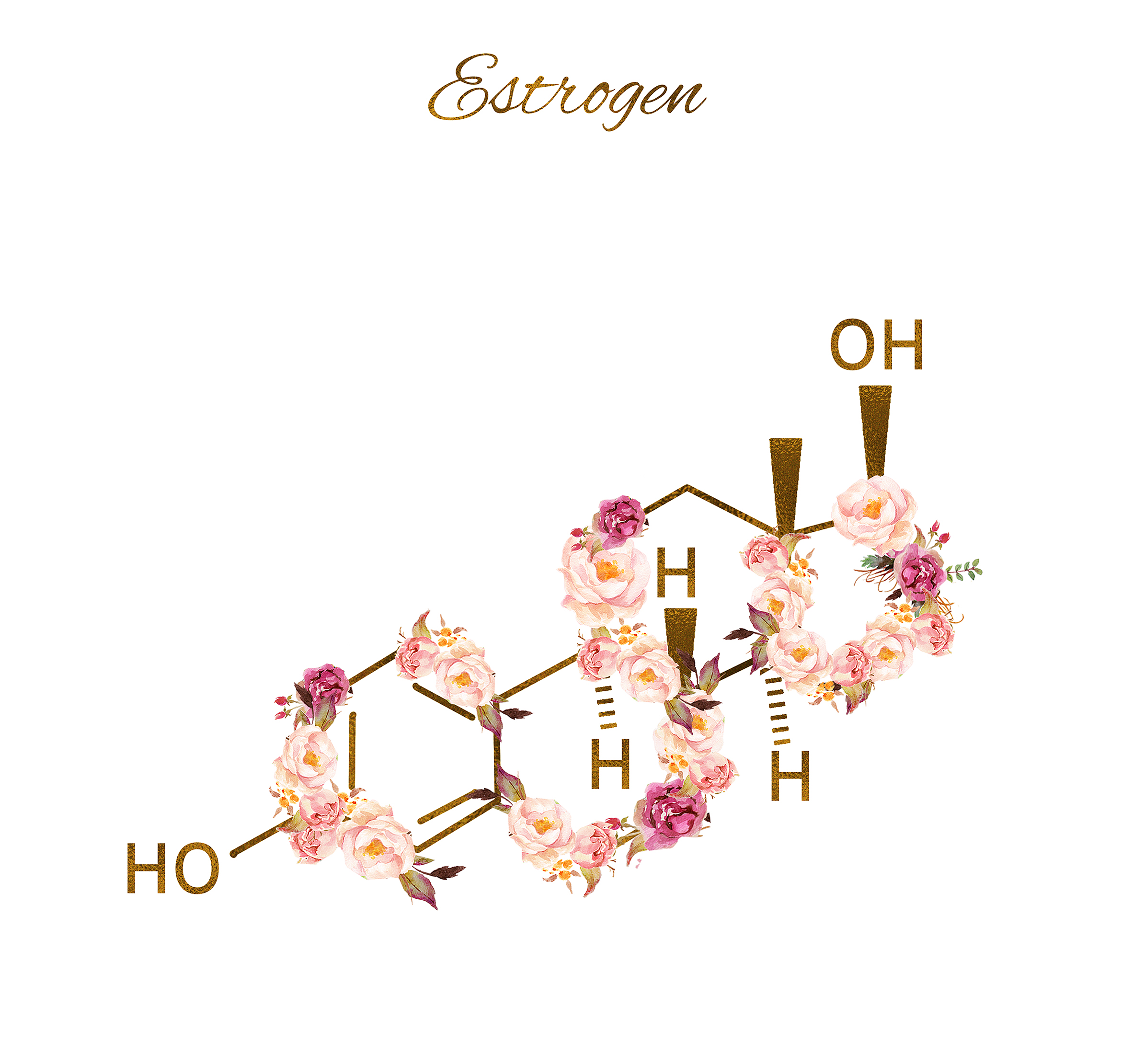
  • Estradiol (E2): The most active and potent form during your reproductive years. Produced primarily by the ovaries, estradiol regulates the menstrual cycle, supports ovulation, helps maintain bone density, and influences mood, energy, and cognitive function.
  • Estrone (E1): A weaker form of estrogen that becomes more dominant after menopause. It’s produced in smaller amounts by the ovaries, adrenal glands, and fat tissue.
  • Estriol (E3): The gentlest form of estrogen, made in large amounts only during pregnancy by the placenta to support fetal development.

In women of reproductive age, estrogen levels rise and fall in a rhythmic pattern throughout the menstrual cycle. This ebb and flow help prepare the body for ovulation and potential pregnancy while influencing everything from cervical fluid and libido to skin health and emotional balance.

How Estrogen Is Produced

Your body produces estrogen through a beautifully coordinated process between your brain and reproductive organs. The hypothalamus and pituitary gland, two key parts of your brain, release signaling hormones that tell your ovaries to produce estrogen.

This production is closely tied to your menstrual cycle, with estrogen levels naturally rising and falling in predictable phases throughout the month. Beyond the ovaries, smaller amounts of estrogen are also made in the adrenal glands and fat tissue.

This is why body composition can influence hormone balance. Higher levels of body fat can contribute to increased estrogen production.

Why Estrogen Matters for Your Body

Estrogen does far more than regulate reproduction. It plays a role in nearly every system of your body, influencing how you feel, think, and function day to day. 

Estrogen helps to:

  • Support the development and maintenance of reproductive tissues
  • Regulate your menstrual cycle and support ovulation
  • Maintain bone density and strength
  • Influence cholesterol levels and cardiovascular health
  • Affect mood, cognition, and brain function
  • Support skin health and collagen production

When estrogen is balanced, your body tends to feel steady, energized, and in sync. When it’s not, the effects can show up in your cycle, mood, energy, and even your sense of well-being.

Understanding estrogen’s many roles helps you see why balanced levels matter for your whole-body health, not just your fertility.

Estrogen & Hormone Health

Your hormones work together like an orchestra, and estrogen is one of the lead instruments. When estrogen levels are balanced, the other hormones in your body can do their jobs effectively. But when estrogen is too high or too low, it disrupts the entire hormonal symphony.

How Estrogen Interacts with Other Hormones

Estrogen doesn’t work alone. It has important relationships with:

  • Progesterone: Often called estrogen’s “partner hormone,” progesterone balances estrogen’s effects. During the second half of your cycle (the luteal phase), progesterone rises to counterbalance estrogen. When this balance is off, you may experience symptoms.
  • Testosterone: While typically thought of as a “male hormone,” testosterone plays important roles in female health too, including libido, energy, and muscle maintenance. Estrogen and testosterone need to be in proper proportion for optimal health.
  • Thyroid Hormones: Estrogen can affect thyroid function, and vice versa. Imbalances in one system often affect the other.

Common Estrogen Imbalances

Here are the main types of estrogen imbalances and what they might look like in your body:

Estrogen Dominance

This occurs when estrogen levels are too high relative to progesterone. Signs may include:

  • Heavy or prolonged periods
  • Breast tenderness or fibrocystic breasts
  • Bloating and water retention
  • Mood swings, anxiety, or irritability
  • Weight gain, especially around the hips and thighs
  • Headaches or migraines

On Your Fertility Chart: You might notice increased cervical fluid, delayed ovulation, or a shorter luteal phase (fewer than 10-12 days between ovulation and your period).

Low Estrogen

When estrogen levels are too low, you might experience:

  • Irregular or absent periods
  • Hot flashes and night sweats
  • Vaginal dryness
  • Low libido
  • Mood changes or brain fog
  • Difficulty conceiving

On Your Fertility Chart: You may see dry or minimal cervical fluid, inconsistent basal body temperature (BBT) readings, or a longer follicular phase (the time from your period to ovulation).

High Estrogen (Absolute)

Sometimes estrogen is elevated without being “dominant” over progesterone. This can cause:

  • Bloating and fluid retention
  • Weight gain
  • Headaches
  • Mood changes
  • Irregular periods

On Your Fertility Chart: Increased cervical fluid, prolonged follicular phase, or unusually early ovulation.

Common Types of Estrogen Imbalances

Estrogen Imbalance Common Causes Common Symptoms Fertility Awareness Chart
Estrogen dominance Stress, diet, medication, environmental toxins Irregular menstrual cycle, heavy periods, PMS, breast tenderness, mood swings Increased cervical mucus, delayed ovulation, shorter luteal phase
Low estrogen Menopause, premature ovarian failure, extreme exercise, eating disorders Hot flashes, night sweats, vaginal dryness, low libido, mood changes Dry cervical mucus, inconsistent BBT readings, longer follicular phase
High estrogen Hormonal contraceptives, hormone therapy, liver dysfunction Bloating, weight gain, headaches, mood changes, irregular periods Increased cervical mucus, prolonged follicular phase, early ovulation

**It’s important to note that these symptoms can vary and not everyone will experience them in the same way. It’s always best to consult with a healthcare provider for a proper diagnosis and treatment plan.

What Causes Estrogen Imbalances?

Many factors can disrupt your estrogen levels:

  • Hormonal contraceptives: Birth control methods that contain synthetic hormones can significantly alter your natural estrogen production
  • Life stage changes: Puberty, perimenopause, and menopause all involve major shifts in estrogen
  • Body composition: Excess fat tissue produces estrogen, potentially leading to elevated levels
  • Diet & nutrition: Diets high in processed foods, sugar, and unhealthy fats can contribute to imbalances
  • Environmental toxins: Exposure to endocrine-disrupting chemicals in plastics, pesticides, and personal care products
  • Chronic stress: Prolonged stress affects all your hormones, including estrogen
  • Certain medications: Some medications can impact estrogen levels
  • Medical conditions: PCOS, endometriosis, and thyroid disorders can all affect estrogen
  • Liver function: Your liver metabolizes and clears excess estrogen; poor liver function can lead to buildup


Understanding these potential causes empowers you to make informed choices about your health and identify areas where you might want to make changes.

It’s important to note that these are just a few of the many potential causes of estrogen imbalance, and that working with a healthcare provider or hormone specialist can help identify and address the root cause.

We’ve explored the impact of estrogen on overall hormone health. Let’s delve into its crucial role in fertility. As we’ve seen, estrogen levels play a key part in regulating the menstrual cycle and ovulation, both essential factors in achieving and maintaining fertility. So, let’s take a closer look at the links between estrogen and fertility.

Estrogen & Fertility

Estrogen plays a starring role in your fertility journey. Without adequate estrogen, ovulation becomes difficult or impossible. But too much estrogen can also interfere with conception. Here’s how estrogen supports, or hinders, fertility.
TTC Baby Success

Estrogen’s Role in Ovulation

As your cycle progresses from menstruation toward ovulation, rising estrogen levels trigger several important changes:

  1. Follicle Development: Estrogen stimulates the growth of follicles in your ovaries (each contains an egg)
  2. LH Surge: When estrogen reaches a certain threshold, it triggers a surge of luteinizing hormone (LH), which causes the mature egg to be released
  3. Cervical Fluid Production: Rising estrogen changes your cervical fluid from dry or sticky to wet, slippery, and stretchy, creating the ideal environment for sperm

Without sufficient estrogen, these processes don’t happen effectively, making conception difficult.

Estrogen & the Endometrium

Estrogen doesn’t just help with ovulation, it also prepares your uterus for a potential pregnancy:

  • Thickens the endometrium: Estrogen causes the uterine lining to grow and thicken during the follicular phase
  • Creates a receptive environment: A properly developed endometrium is essential for embryo implantation
  • Supports early pregnancy: Adequate estrogen helps maintain the pregnancy in its earliest stages

However, balance is key. If estrogen levels are too high or remain elevated for too long without progesterone’s balancing effects, the endometrium can become too thick or develop abnormally, which may interfere with implantation or increase miscarriage risk.

Estrogen in Fertility Treatments

In assisted reproductive technology, like IVF, estrogen supplementation is often used to:

  • Support endometrial development before embryo transfer
  • Maintain the uterine lining in the early stages of pregnancy
  • Help synchronize cycles in donor egg situations

This demonstrates just how critical properly timed and balanced estrogen is for successful conception and early pregnancy.

When Estrogen Levels Go Wrong

Both too much and too little estrogen can compromise fertility:

Low estrogen may lead to:

High estrogen may cause:

  • Disrupted hormone balance affecting ovulation quality
  • Overly thick endometrium that’s not receptive to implantation
  • Interference with progesterone’s important second-half-of-cycle functions

The key takeaway? Estrogen needs to be present in the right amounts at the right times in your cycle for optimal fertility.

Managing Estrogen for Hormone Health & Fertility

The good news is that you have more control over your estrogen levels than you might think. While some factors (like genetics or certain medical conditions) are beyond your control, many lifestyle and nutrition strategies can support healthy estrogen balance.

Diet & Nutrition

What you eat significantly impacts your hormone health:

Foods That Support Healthy Estrogen Balance:

  • Cruciferous vegetables (broccoli, cauliflower, Brussels sprouts, kale): Contain compounds that support healthy estrogen metabolism
  • Fiber-rich foods (whole grains, legumes, vegetables): Help your body eliminate excess estrogen through digestion
  • Healthy fats (avocados, olive oil, nuts, seeds, fatty fish): Essential for hormone production
  • Phytoestrogen-rich foods (flax seeds, sesame seeds): Can help modulate estrogen activity
  • Lean protein: Supports overall hormone production and blood sugar balance

Foods to Limit:

  • Processed foods and refined carbohydrates
  • Excess sugar (disrupts hormone balance)
  • Alcohol (interferes with the liver’s ability to metabolize estrogen)
  • Conventional dairy and meat (may contain hormone residues)

Nutrition Hormone Health Fertility Estrogen

Lifestyle Factors

Beyond diet, these lifestyle choices support estrogen balance:

Exercise Regularly: Physical activity helps maintain healthy body composition and supports hormone balance. Aim for a mix of cardio and strength training, but avoid over-exercising, which can disrupt hormones.

Maintain a Healthy Weight: Both being underweight and overweight can affect estrogen levels. Fat tissue produces estrogen, so excess body fat can lead to elevated levels.

Manage Stress: Chronic stress affects all your hormones. Practices like meditation, yoga, adequate sleep, and time in nature can help.

Reduce Toxin Exposure: Minimize contact with endocrine-disrupting chemicals by:

  • Choosing organic when possible (especially for the “Dirty Dozen” produce)
  • Using glass or stainless steel instead of plastic for food storage
  • Selecting natural personal care and cleaning products
  • Filtering your drinking water

Support Liver Health: Your liver metabolizes and clears excess estrogen. Support it by:

  • Staying hydrated
  • Limiting alcohol
  • Eating liver-supporting foods (cruciferous veggies, garlic, beets)
  • Getting adequate sleep

Supplements

Some supplements may support healthy estrogen balance (always consult with a healthcare provider or a trained supplement specialist first):

  • Vitamin D: Important for hormone regulation
  • B vitamins: Support estrogen metabolism
  • Magnesium: Involved in hormone production
  • DIM (Diindolylmethane): Supports healthy estrogen metabolism
  • Omega-3 fatty acids: Reduce inflammation and support hormone health

Monitoring Your Estrogen

Regular monitoring helps you understand your patterns and catch imbalances early. Options include:

How Fertility Awareness Helps to Identify Estrogen Issues

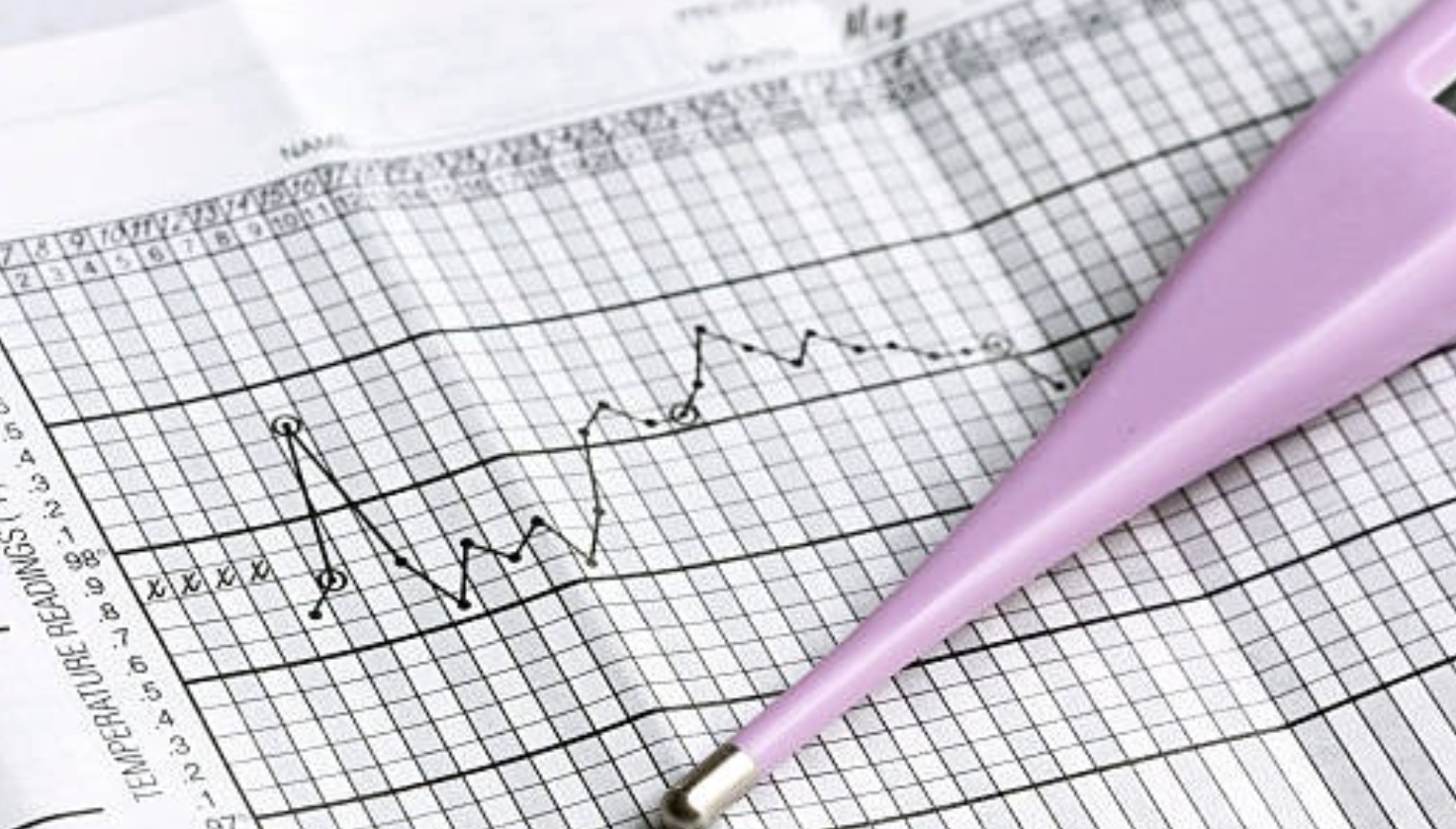
Here’s where body literacy truly shines. By tracking your fertility signs throughout your cycle, you can gain incredible insights into your estrogen levels, without expensive tests or doctor visits.
FAM Charting

What Fertility Awareness Can Tell You About Estrogen

When you track your fertility signs consistently, patterns emerge that reflect your hormonal health:

Cervical Fluid Patterns:

Just before ovulation, the amount of cervical fluid produced noticeably increases and becomes thin and slippery, thanks to rising estrogen. Your cervical fluid tells you:

  • Abundant, stretchy fluid: Indicates good estrogen production
  • Minimal or absent fluid: May suggest low estrogen
  • Excessive fluid that lasts many days: Could indicate estrogen dominance or prolonged elevated estrogen
Basal Body Temperature:

Basal body temperature typically rises less than half a degree Fahrenheit after ovulation. Your BBT patterns reveal:

  • Clear temperature shift: Indicates successful ovulation (which requires adequate estrogen)
  • Gradual or unclear rise: May suggest hormonal issues
  • Erratic temperatures: Could indicate insufficient estrogen or other hormone imbalances
  • Short follicular phase (pre-ovulation): May indicate hormonal issues
  • Long follicular phase: Could suggest low estrogen, delaying ovulation
Cycle Length & Patterns:
  • Regular cycles (24-35 days): Typically indicate balanced hormones
  • Very long cycles: May suggest low estrogen or anovulation
  • Very short cycles: Could indicate hormonal imbalances
  • Irregular or unpredictable cycles: Often reflect hormone dysregulation

Why This Matters

Fertility awareness gives you real-time data about your hormonal health. Rather than getting a single snapshot through bloodwork, you see the full picture of how your hormones change day by day. This empowers you to:

  • Identify potential issues early
  • Track whether lifestyle changes are working
  • Know when to seek medical support
  • Understand your unique patterns

Working with a Fertility Awareness Educator

Learning to accurately track and interpret your fertility signs takes practice and education. A certified fertility awareness educator can:

  • Teach you proper charting techniques
  • Help you identify patterns related to estrogen and other hormones
  • Recognize when patterns suggest potential issues
  • Guide you on when to seek medical evaluation
  • Support you through your body literacy journey

Fertility awareness isn’t just about preventing or achieving pregnancy. It’s a powerful tool for understanding your overall hormone health.

Managing Estrogen w/ Functional Nutrition

If you’re experiencing estrogen-related hormone issues, functional nutrition offers a personalized approach to support your body’s needs.

Functional Nutrition Hormone Health Fertility

What is Functional Nutrition?

Functional nutrition goes beyond basic dietary recommendations to address the root causes of health issues. Rather than just treating symptoms, this approach:

  • Individualizes recommendations based on your unique biochemistry, health history, and lifestyle
  • Focuses on root causes rather than just symptom management
  • Uses food as medicine to support your body’s natural healing processes
  • Considers all body systems and how they interconnect

How Functional Nutrition Supports Estrogen Balance

A functional nutrition approach to estrogen health might include:

Balancing Blood Sugar:

Stable blood sugar is foundational for hormone health. When blood sugar spikes and crashes throughout the day, it triggers hormonal chaos that can affect estrogen production and metabolism.

Strategies include:

  • Eating balanced meals with protein, healthy fats, and fiber
  • Avoiding long periods without eating
  • Limiting refined carbohydrates and sugar
  • Timing carbohydrate intake strategically
Supporting Liver Detoxification:

Your liver is responsible for metabolizing and clearing excess estrogen. Supporting optimal liver function helps maintain healthy estrogen levels.

This includes:

  • Eating cruciferous vegetables regularly
  • Staying well-hydrated
  • Including bitter foods (arugula, dandelion greens, lemon)
  • Limiting alcohol and processed foods
  • Supporting gut health (since the gut eliminates processed estrogen)
Reducing Inflammation:

Chronic inflammation disrupts hormone balance and can interfere with healthy estrogen function.

Anti-inflammatory strategies:

  • Eating a variety of colorful vegetables and fruits
  • Including omega-3 fatty acids (fatty fish, walnuts, flax)
  • Using herbs and spices (turmeric, ginger, garlic)
  • Avoiding inflammatory foods (processed foods, excess sugar, damaged fats)
  • Managing stress
Optimizing Gut Health:

Your gut microbiome plays a surprising role in estrogen metabolism. An unhealthy gut can lead to estrogen being reabsorbed rather than eliminated.

Support gut health by:
  • Eating fiber-rich foods
  • Including fermented foods (yogurt, sauerkraut, kimchi)
  • Taking probiotics if appropriate
  • Limiting antibiotic use when possible
  • Managing stress (which affects gut health)

Gut Health

Working with a Functional Nutrition Specialist

A functional nutrition & hormone health specialist, like myself, can:

  • Assess your complete health picture
  • Identify potential root causes of estrogen imbalance
  • Create a personalized nutrition plan
  • Recommend appropriate testing if needed
  • Support you through implementing changes
  • Adjust recommendations based on your progress

This personalized approach recognizes that everyone’s body is different, and what works for one person may not work for another.

Key Points & Conclusion

Let’s recap what we’ve explored about estrogen and hormone health:

  • Estrogen is essential: It’s not just about reproduction. Estrogen affects bone health, cardiovascular function, mood, cognition, and overall wellbeing
  • There are three main types: Estradiol (most potent), estrone (predominant after menopause), and estriol (elevated during pregnancy)
  • Balance is key: Both too much and too little estrogen can cause symptoms and affect fertility
  • Common imbalances include: Estrogen dominance, low estrogen, and high estrogen, each with distinct symptoms and chart patterns
  • Multiple factors affect estrogen: Diet, lifestyle, stress, toxin exposure, body composition, and medical conditions all play a role
  • Estrogen is critical for fertility: It supports follicle development, triggers ovulation, produces fertile cervical fluid, and builds the endometrial lining
  • You can support healthy levels: Through nutrition, lifestyle changes, stress management, and toxin reduction
  • Fertility awareness is powerful: Tracking your cycle provides real-time insights into your estrogen levels and overall hormone health
  • Functional nutrition helps: A personalized approach can address root causes of estrogen imbalance
  • Professional support matters: Working with educators and specialists helps you understand your unique patterns and optimize your health

Conclusion

Understanding estrogen empowers you to take an active role in your hormone health and fertility. Rather than viewing your hormones as mysterious forces beyond your control, you can learn to read your body’s signals, recognize patterns, and make informed choices about your wellbeing.

Whether you’re trying to conceive, managing hormone-related symptoms, or simply want to understand your body better, knowledge is power. Estrogen is just one piece of your hormonal puzzle, but it’s an important one that affects nearly every system in your body.

Start by observing your cycle. Notice your cervical fluid patterns. Track your basal body temperature. Pay attention to how you feel at different points in your month. These observations are data, valuable information about your hormone health.

If you’re noticing signs of estrogen imbalance or struggling with fertility, consider working with professionals (book your consultation with me) who can guide you. A fertility awareness educator can teach you to accurately track and interpret your signs. A functional nutrition specialist can help you address root causes through personalized dietary and lifestyle strategies. Together, these approaches put you in the driver’s seat of your reproductive health.

Your body is constantly communicating with you. Learning its language, understanding your hormones, especially estrogen, gives you the agency to make choices that support your health and your goals.

Ready to dive deeper into body literacy and hormone health? Consider reaching out to connect. I’m a certified fertility awareness educator and functional nutrition specialist who can provide personalized guidance on your journey.
About Majida

Blog Footer (Majida Bio)

Sources

  1. American College of Obstetricians and Gynecologists (ACOG). (n.d.). Fertility awareness-based methods of family planning [Patient FAQs]. American College of Obstetricians and Gynecologists. https://www.acog.org/womens-health/faqs/fertility-awareness-based-methods-of-family-planning 
  2. Bigelow, J. L., Dunson, D. B., Stanford, J. B., Ecochard, R., Gnoth, C., & Colombo, B. (2004). Mucus observations in the fertile window: A better predictor of conception than timing of intercourse. Human Reproduction, 19(4), 889–892. https://doi.org/10.1093/humrep/deh173 
  3. Cleveland Clinic. (2024, December 18). Cervical mucus: Chart, stages, tracking & fertility. Cleveland Clinic Health. https://my.clevelandclinic.org/health/body/21957-cervical-mucus 
  4. Duane, M., Stanford, J. B., Porucznik, C. A., & Vigil, P. (2022). Fertility awareness-based methods for women’s health and family planning. Frontiers in Medicine, 9, Article 858977. https://doi.org/10.3389/fmed.2022.858977 
  5. Écochard, R., Duterque, O., Leiva, R., Bouchard, T., & Vigil, P. (2015). Self-identification of the clinical fertile window and the ovulation period. Fertility and Sterility, 103(5), 1319–1325.e3. https://doi.org/10.1016/j.fertnstert.2015.01.031 
  6. Najmabadi, S., Schliep, K. C., Simonsen, S. E., Porucznik, C. A., Egger, M. J., & Stanford, J. B. (2021). Cervical mucus patterns and the fertile window in women without known subfertility: A pooled analysis of three cohorts. Human Reproduction, 36(7), 1784–1795. https://doi.org/10.1093/humrep/deab049
    Scarpa, B., Dunson, D. B., & Colombo, B. (2006). Cervical mucus secretions on the day of intercourse: An accurate marker of highly fertile days. European Journal of Obstetrics, Gynecology, and Reproductive Biology, 125(1), 72–78. https://doi.org/10.1016/j.ejogrb.2005.07.024 
  7. Smoley, B. A., & Robinson, C. M. (2012). Natural family planning. American Family Physician, 86(10), 924–928. https://pubmed.ncbi.nlm.nih.gov/23157145/
    Thijssen, A., Meier, A., Panis, K., & Ombelet, W. (2014). ‘Fertility awareness-based methods’ and subfertility: A systematic review. Facts, Views & Vision in ObGyn, 6(3), 113–123. https://www.ncbi.nlm.nih.gov/pmc/articles/PMC4216977/
  8. Weschler, T. (2015). Taking charge of your fertility: The definitive guide to natural birth control, pregnancy achievement, and reproductive health (20th anniversary ed.). William Morrow/HarperCollins.

Disclaimer:

The information provided on this blog is for educational and informational purposes only and is not intended as a substitute for professional medical advice, diagnosis, or treatment. Always seek the advice of your physician or other qualified health provider with any questions you may have regarding a medical condition. The content on this blog is not meant to replace professional medical advice or to be used to prevent, diagnose, or treat any disease or illness. Reliance on any information provided by this blog is solely at your own risk.
Share On...

Leave a Reply

Your email address will not be published. Required fields are marked *

Let's Connect!

Sign up today and receive your FREE Resource Bundle to support your journey towards hormone health, fertility, gut wellness, cycle wisdom, and holistic nutrition!